

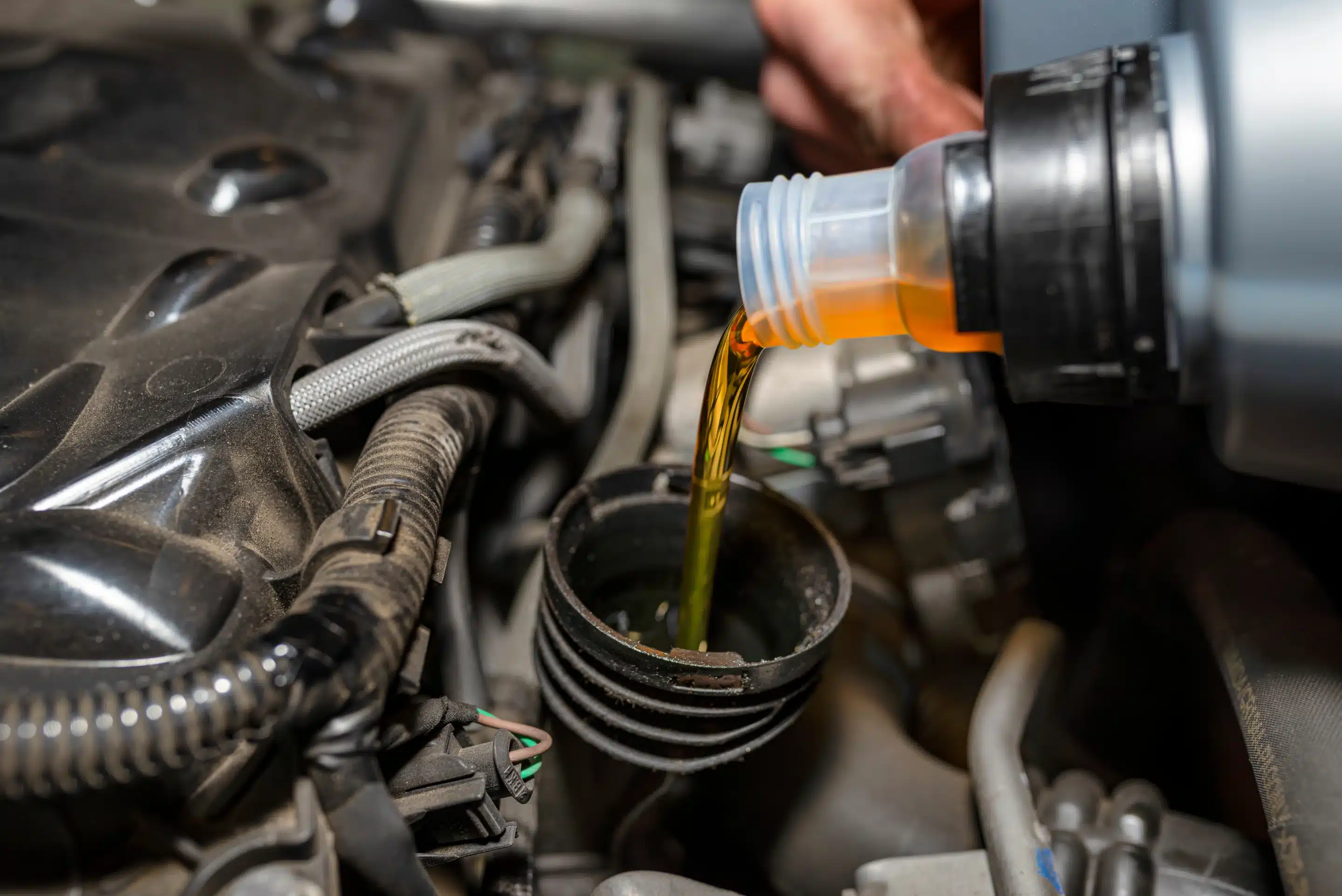
Oil changes are among the most important maintenance activities for keeping your car running smoothly. But with so many conflicting opinions out there, it’s easy to wonder: how often are oil changes actually needed? At Express Auto Repair & Tires in Irving, TX, we help drivers understand the facts about engine oil and provide full-service oil changes to keep your car healthy.
Whether you drive a new car with an oil life monitoring system or an older vehicle with conventional oil, knowing when to change your oil can prevent engine damage and save you money in the long run.
Why Oil Changes Matter
Engine oil is more than simply a lubricant it keeps your engine parts moving smoothly, reduces friction, and carries heat away. Over time, oil degrades, losing its ability to protect your engine. Dirty or old oil can cause:
- Increased engine wear
- Reduced fuel efficiency
- Overheating
- Costly repairs
That’s why regular oil changes are crucial. But the frequency depends on several factors, which we’ll break down below.
Factors That Affect Oil Change Frequency
1. Type of Oil
- Conventional oil: Generally requires changing every 3,000 to 5,000 miles.
- Synthetic oil: Can last 7,500 to 10,000 miles, thanks to its high-quality additives that resist breakdown.
- High-mileage or synthetic blend oils: Often recommended for older engines, and can extend your oil change interval.
Using synthetic engine oil can reduce the number of changes you need. Still, it doesn’t eliminate the need to monitor your engine’s oil levels and condition.
2. Driving Habits
Your driving style has a big impact on oil life. Frequent short trips, stop-and-go traffic, or towing heavy loads can make oil degrade faster, requiring more frequent oil changes.
3. Engine and Vehicle Type
New cars often come with oil monitoring systems that measure oil life and alert you when it’s time for a change. Older cars without these systems rely on traditional oil change intervals determined by miles or time.
How Often Should You Really Change Your Oil?
Traditionally, the rule was every 3,000 miles, but modern engines and high-quality oils allow you to go longer between oil changes. Here’s a simple guide:
- Every 3,000–5,000 miles: Standard for older cars using conventional petroleum-based oil.
- Every 7,500–10,000 miles: Common for newer vehicles using synthetic oil.
- Twice a year: If you don’t drive much, changing oil every six months ensures it doesn’t sit too long and degrade.
Always examine your oil level using the dipstick and inspect the oil quality. If the oil looks dark, gritty, or low, it’s time for a change regardless of mileage.
Signs You Need an Oil Change
Even if you’re following a schedule, your car may need an oil change sooner than expected. Watch for these signs:
- Engine noise or knocking
- The oil change light is on the dashboard
- Dark or dirty oil
- There is an oil smell inside the car
- Low oil level when you check the oil level using the dipstick
Frequent oil checks and monitoring systems can help prevent degraded oil from causing engine problems.

The Truth About Long Oil Change Intervals
While some drivers push long oil change intervals to save money, there’s a risk. Oil breaks down over time, and old or dirty oil can fail to protect your engine. Express Auto Repair & Tires recommends balancing convenience with engine safety:
- Use high-quality synthetic oils for longer intervals
- Check oil levels and quality regularly
- Follow your manufacturer’s oil change schedule
Remember, frequent oil changes may feel inconvenient, but they can extend engine life and help avoid costly repairs.
DIY vs Professional Oil Changes
You can change the oil yourself, but professional service has advantages:
- Proper disposal of used oil
- Check for leaks, oil pan damage, or worn parts
- Inspect related systems: brakes, tires, hoses
- Full-service oil change includes oil filter replacement
At Express Auto Repair & Tires, we offer full-service oil changes with all grades of oil, premium synthetic oils, and a full vehicle inspection. This ensures your engine stays healthy, no matter the mileage.
Frequently Asked Questions (FAQs)
1. How long can a car really go without an oil change?
Modern engines with synthetic oil can often go 7,500 to 10,000 miles, but it’s best to monitor oil life and check your oil level regularly.
2. How often do you really need an oil change?
It depends on your car, driving habits, and type of oil. Most drivers need one every 3,000–10,000 miles or twice a year.
3. Can I switch from conventional to synthetic oil?
Yes! Using synthetic engine oil can extend oil change intervals and improve engine performance. Always consult your vehicle’s manufacturer for guidance.
4. What happens if I wait too long to change my oil?
Old or degraded oil can cause engine wear, reduce oil flow, and lead to overheating or damage. Frequent oil changes prevent these problems.
5. Is it safe to rely on my car’s oil monitoring system?
Yes, oil life monitoring systems provide a good estimate, but it’s still wise to check the oil level using the dipstick periodically.
6. How do I determine when an oil change is needed?
You can determine when an oil change is necessary by checking your car’s oil level and quality. Oil degrades over time, and even if you haven’t hit the recommended mileage, your engine may still need to change oil. Look at the remaining oil and color—dark or gritty oil signals it’s time for frequent changes.
7. Can I go longer periods between oil changes if I use synthetic oil?
Yes, synthetic oil resists breakdown better than standard oil, so you can often go miles or more between oil changes. However, driving habits, temperature, and engine type can cause oil to break down faster, so it’s still essential to get an oil change when your car indicates it.
8. How often should you change your car’s oil if you don’t drive much?
Even with low mileage, oil may sit and degrade over time. Most experts recommend oil changes at least twice a year or every three months for cars that are rarely driven. Checking your oil sample and using the right oil type ensures your engine stays protected.
Keep Your Engine Healthy in Irving, TX
Knowing how often are oil changes actually needed can save you money and extend your car’s life. Whether your vehicle uses conventional oil or synthetic engine oil, following a proper oil change schedule is key.
At Express Auto Repair & Tires in Irving, TX, we provide:
- Full-Service Oil Change (all grades, premium and synthetic oils)
- Oil filter replacement
- Check hoses, brakes, and tires
- Complete vehicle inspection
We also offer tune-ups, brake service, wheel alignment, and new or used tires to keep your car running safely. Stop by 107 N Story Rd Irving, TX 75061, or call us at (972) 636-4903 to book an appointment to keep your engine in top shape.
Also Read:
What Are 6 Best Tips for Vehicle Preventive Maintenance?
Best Auto Oil Change Near Me: Who Can I Trust For an Oil Change?
Motorcycle Changes of Oil Tips for Smooth Rides and Longevity
Recent Comments