

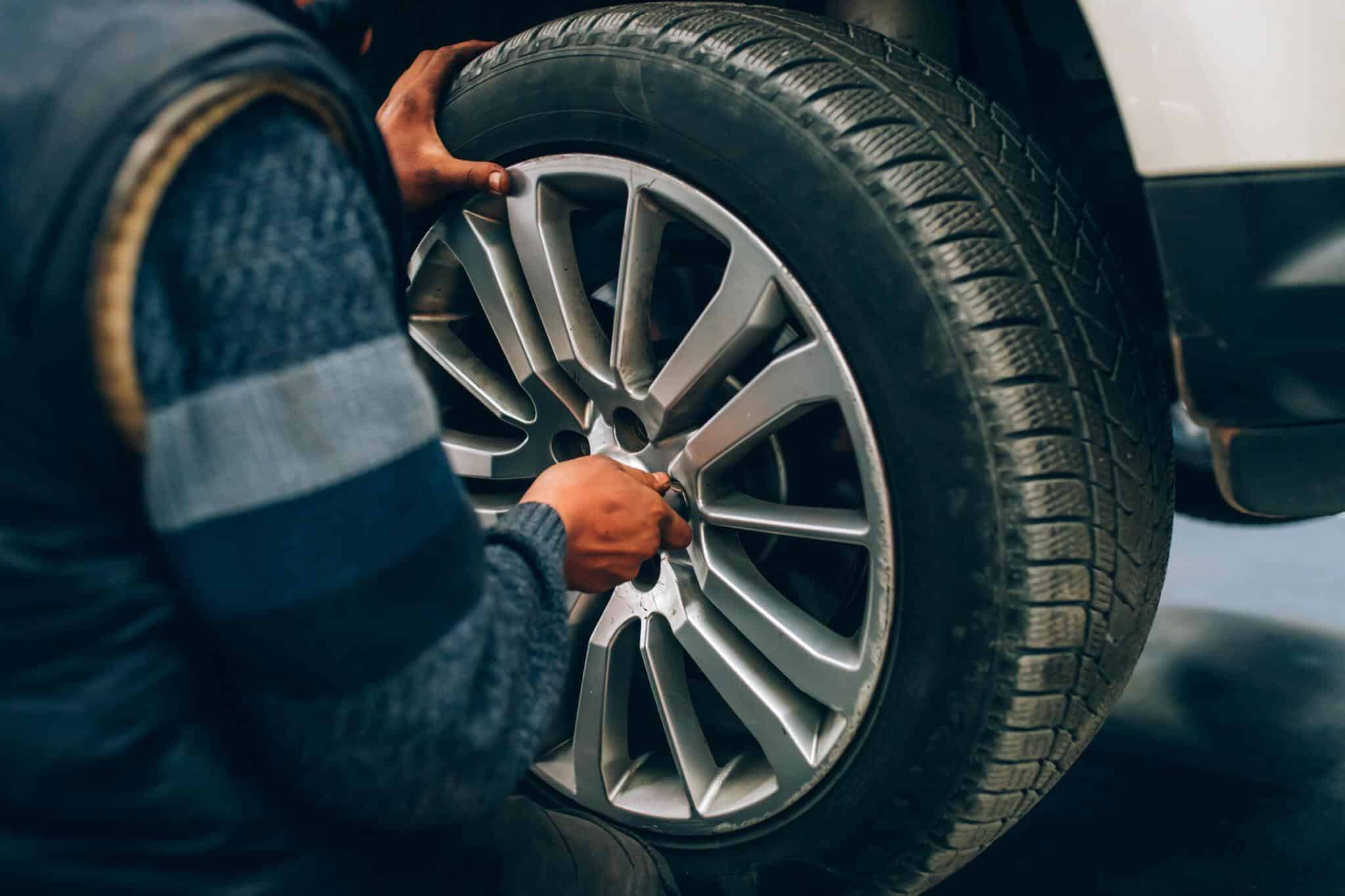
The short answer to when to replace auto tires is this: if the tread is worn down, the tires are more than 6 to 8 years old, or you see cracks, bulges, or uneven wear, it’s time. Waiting too long puts your safety at risk and can lead to poor braking, loss of control, and tire-related failures.
Now let’s break it down so you can tell exactly when your tires need replacing and why it matters. At Express Auto Repair & Tires, we help drivers make informed decisions before tire problems become bigger issues.
Why Tire Replacement Matters More Than You Think
Your car’s only point of contact with the road is its tires. If they are worn, damaged, or underinflated, your braking and handling suffer. The National Highway Traffic Safety Administration reports that tire problems are a significant contributor to accidents each year.
Many drivers wait until a tire fails. That is too late. Tire safety is about replacing tires before they reach the danger zone.
When to Replace Auto Tires Based on Tread Depth
One of the biggest signs it’s time to replace the tire is low tread depth. Your tires’ tread aids in gripping the road, particularly while it’s raining.
How to Check Tire Tread at Home
You do not need special tools to check your tire. Here are two easy ways:
The Penny Test
- Put a penny into the groove of your tire
- Turn Lincoln’s head upside down
- If you can see the top of Lincoln’s head, you have too little tire tread.
- That means the tires need replacing
Using a Tread Depth Gauge
- A tread depth gauge gives an exact number
- If tread depth reaches 3/32 of an inch or less, it’s time to replace your tires
- Check all four tires, not just one
Always check the tread depth across the whole tire. Uneven tread wear can hide problems.
Uneven Tire Wear Is a Big Warning Sign
Uneven wear is one of the most common reasons tires fail early. Tires can wear unevenly due to:
- Poor wheel alignment
- Skipping tire rotation
- Underinflated tires
- Hitting a curb or pothole
- Worn suspension or brake parts
If one edge of the tire is smooth while the other has tread, the tire will need to be replaced even if some tread remains. A technician can inspect your tires and identify uneven tire wear early.
Sidewall Damage, Cracks, and Bulges
Always inspect the sidewall when you check your tire. The sidewall is equally vital as the tread.
Look for:
- Cracks or bulges
- A bubble is forming on the side
- Cuts or puncture damage
Tires can develop sidewall damage from heat, age, or road impacts. A bulge means the tire structure is weak and can fail at any moment. If you see this, it’s time to replace your tires right away.
Tire Age Can Matter More Than Mileage
Many drivers ask, Should you replace tires if the tread looks fine? The answer depends on age.
Manufacturers recommend replacing tires every 6 to 8 years, even if the tread looks good. Rubber breaks down over time, especially in hot climates like Texas.
A tire might look fine, but still be unsafe. That is why tire age can be more important than mileage. Check the DOT code on the tire’s sidewall to find its age.
How Mileage Affects the Life of Your Tires
Mileage matters, but it isn’t the sole factor. Tire life depends on:
- Driving habits
- Road conditions
- Tire pressure
- Tire brand
- Regular tire rotation
Some tires last 40,000 miles. Others last 70,000 miles. The owner’s manual and the tire manufacturer give general guidance, but real-world driving changes things.
If your tires are nearing their rated mileage and showing wear, it’s time to replace them.
Signs Drivers Often Ignore but Should Not
Many people ask how to tell if they need new tires. These warning signs are often ignored:
- The car is pulling to one side
- Vibration while driving
- Longer stopping distance
- Poor grip in the rain
- Loud road noise
These signs mean your tires might be worn unevenly or damaged. Tires don’t fail quietly. They give warnings first.
Should You Replace Two Tires or a Full Set?
Sometimes you can replace just two tires. Other times, you need a complete set of tires.
In general:
- Front-wheel drive cars wear front tires faster
- New tires should go on the rear for stability
- All-wheel drive vehicles often need all four tires replaced
A tire shop can help you choose the correct tire setup so your car stays balanced and safe.
Cheap Tires vs the Right Tires
Not all brand-new tires are equal. The best tire is not always the most expensive one, but extremely cheap tires often wear faster and handle worse.
Quality tires from trusted brands like Bridgestone offer better traction, longer life, and improved safety on the road. Choosing the right tire matters more than choosing the cheapest tire.
How Often Should You Inspect Your Tires?
Inspect your tires at least once a month, especially before long travels.
Check:
- Tread wear
- Tire pressure
- Cracks or bulges
- Objects stuck in the grooves of your tire
Regular inspections help you replace tires before they become dangerous.
FAQs About Tire Replacement
How do I know if car tires need replacing?
Check the tread depth, look for cracks or bulges, and notice changes in braking and handling. If you have any doubts, have a technician inspect them.
What is the 3 percent tire rule?
It refers to replacing tires when the tread depth reaches about 3/32 of an inch. Below that, wet traction drops fast.
Can tire age be more important than mileage?
Yes. Tires can become unsafe even if the tread looks good due to age. Rubber breaks down over time.
How often should you replace auto tires?
Most tires last 6 to 8 years or until the tread wears away, whichever comes first.
Is it safe to drive on worn-out tires?
No. Worn-out tires increase stopping distance and reduce safety, especially in the rain.
Summary: Know When It’s Time
Knowing when to replace auto tires is about paying attention to tread depth, tire age, uneven wear, and damage. Tires will need replacement sooner than many drivers expect, especially in hot climates. Replacing tires early protects your safety and saves money long term.
At Express Auto Repair & Tires, we help drivers make the right call with honest inspections and a new inventory of quality tires.
Get Your Tires Checked Today
If you think it might be time for new tires or you are not sure, let the pros take a look. Express Auto Repair & Tires offers tire inspections, tire replacements, tire rotations, wheel alignments, and brake services for drivers in Irving, Texas.
Visit Us: 107 N Story Rd, Irving, TX 75061
Call: (972) 636-4903
Whether you need to replace your tires, check the tread depth, or find the right tire for your car, our experienced technicians are ready to help. Book your appointment today and drive with confidence.
Also Read:
All-Season vs. Winter Tires in Irving TX: Which Are the Best for You?
Why Keeping Your Rotation Tires Inline With Your Brake Rotors Is Crucial To Your Safety
Recent Comments